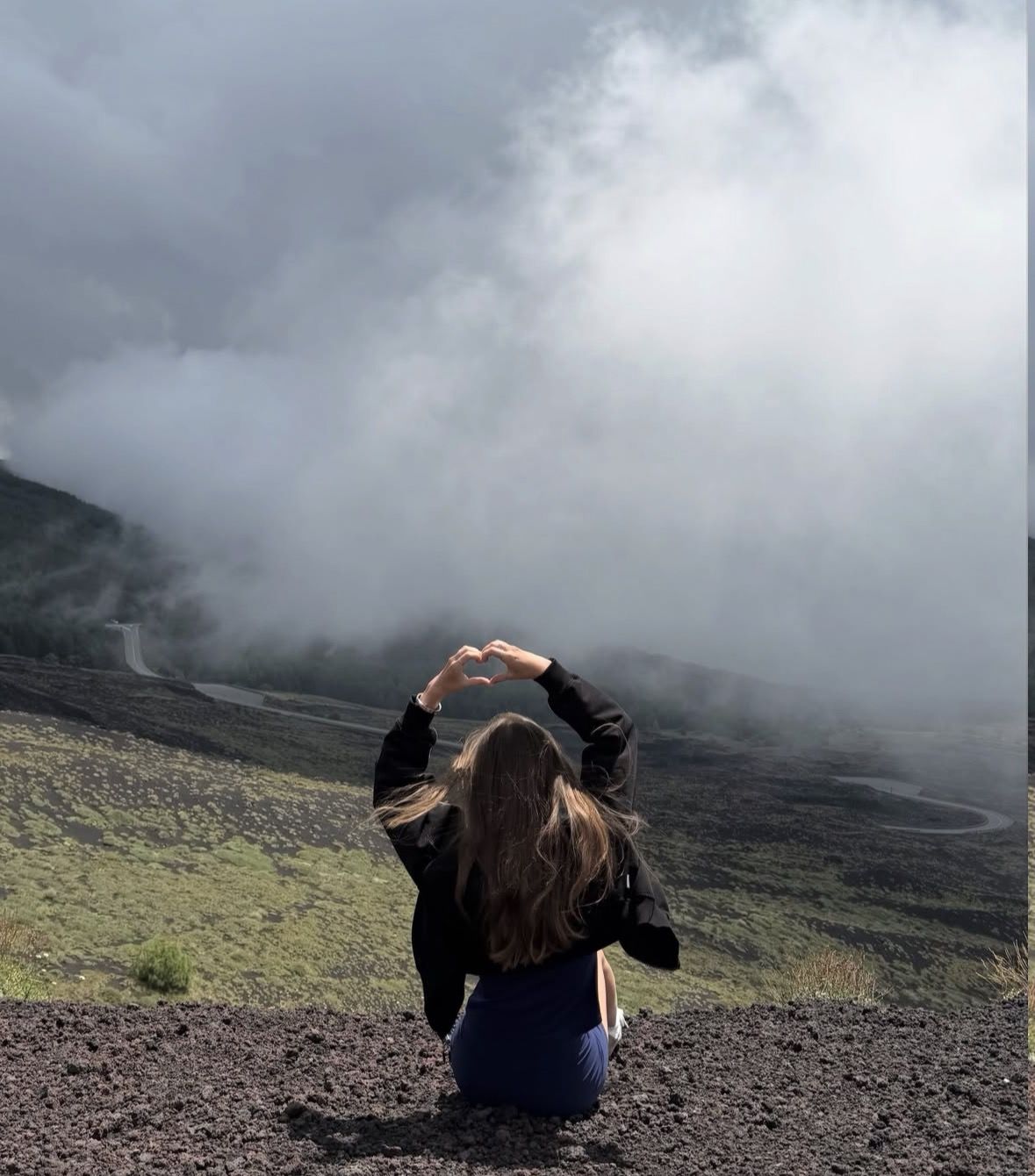
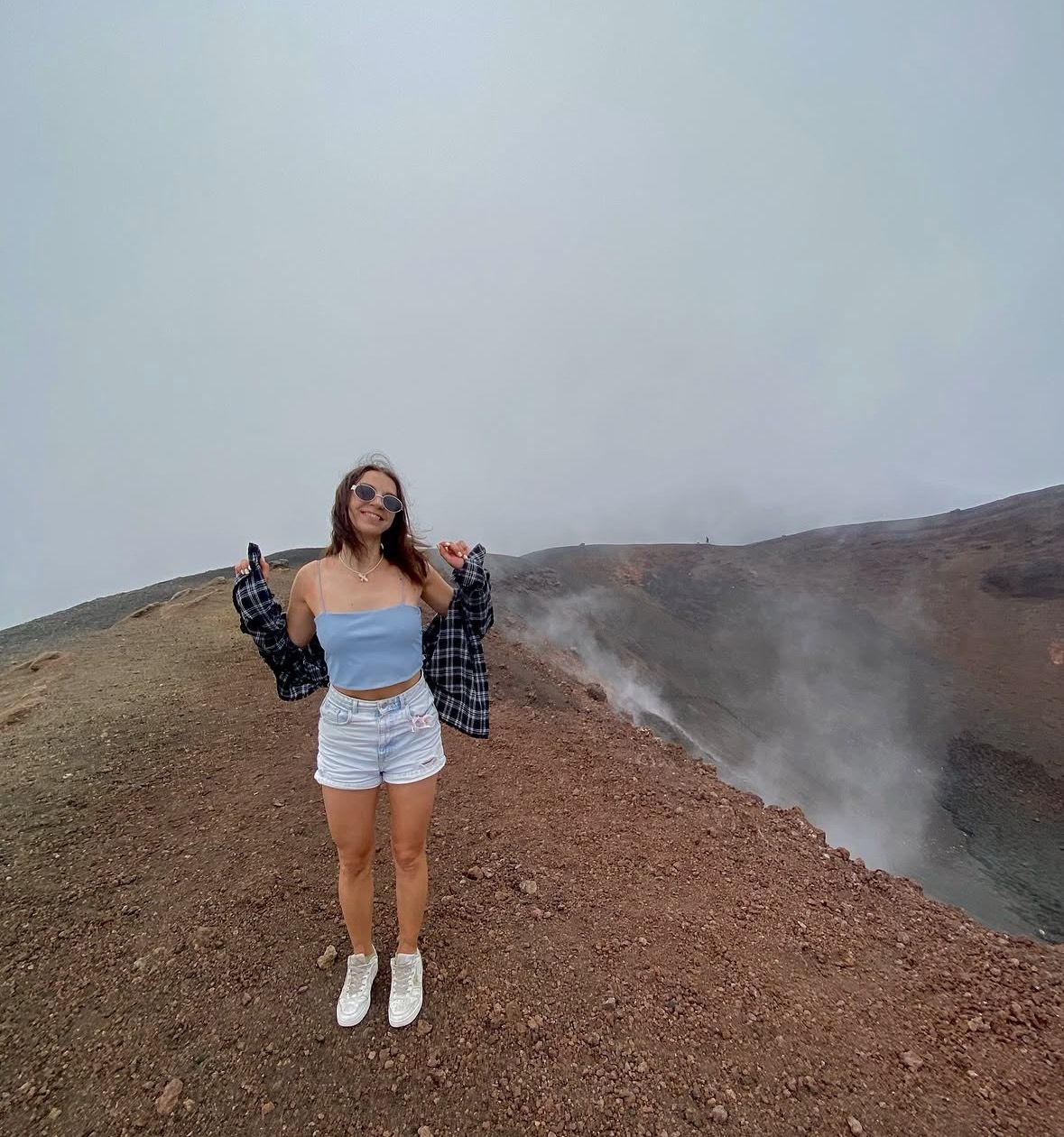
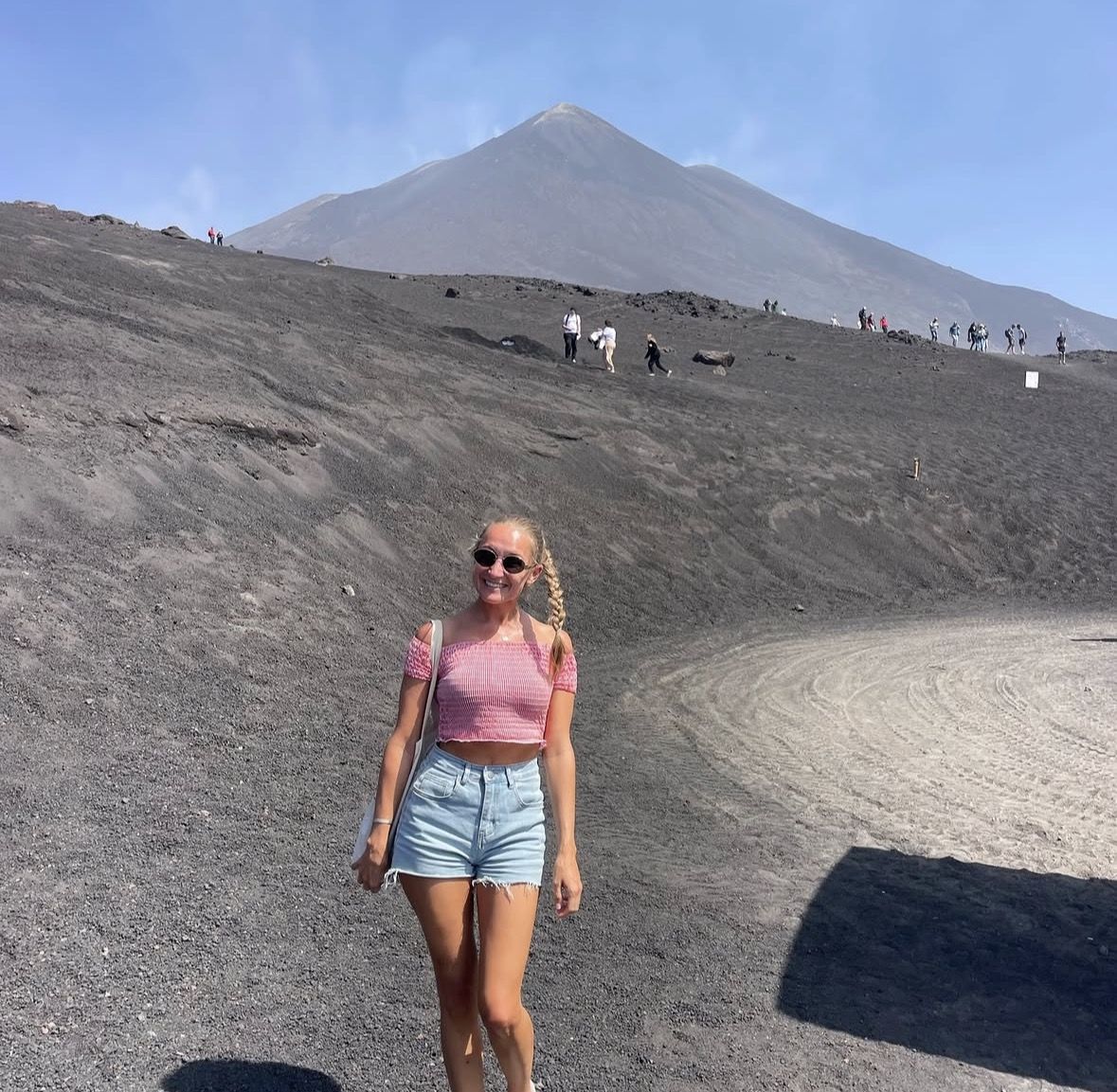
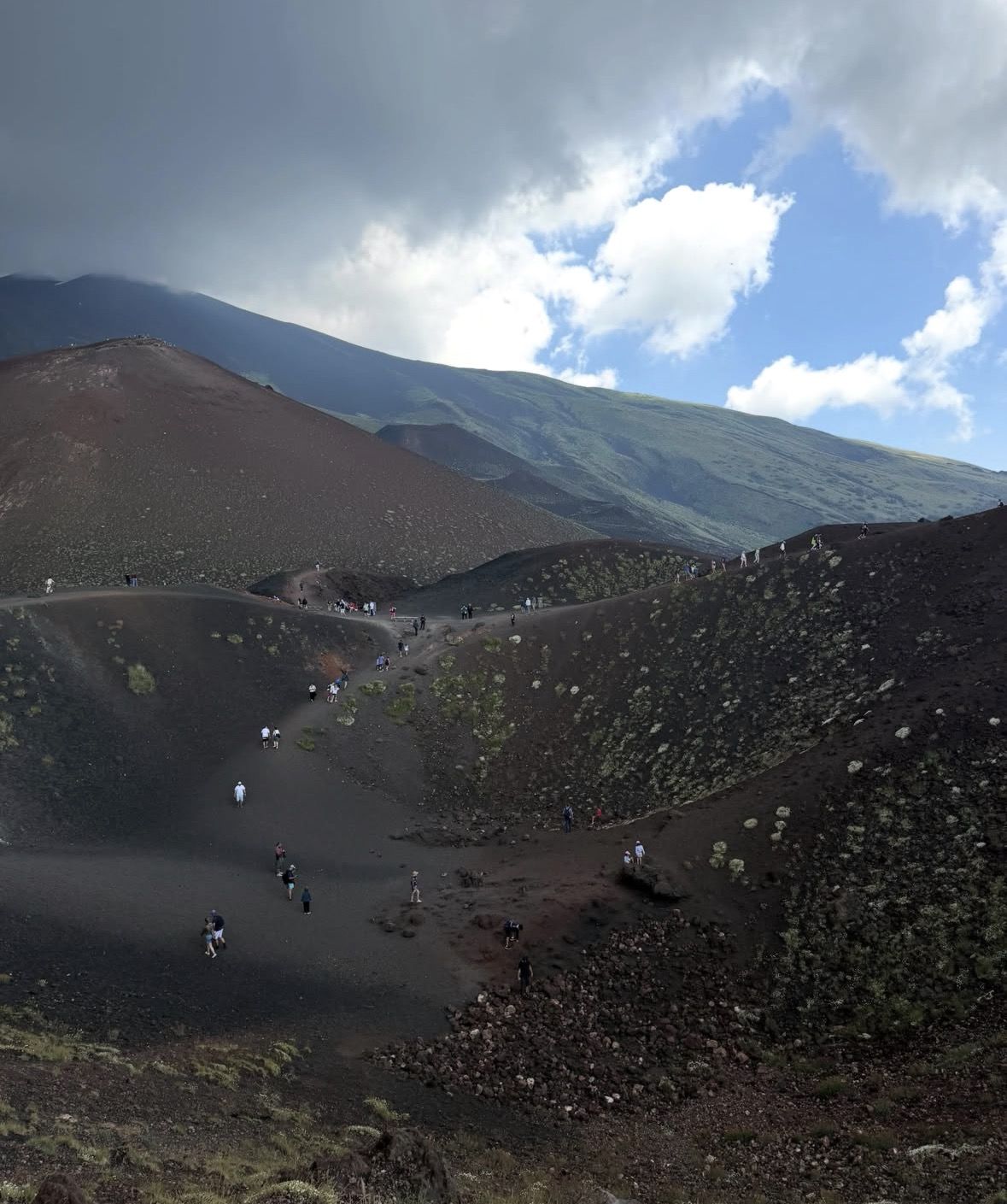
Rising over 3,300 metres above the Sicilian coastline, this UNESCO World Heritage volcano is one of the world's most accessible and spectacular natural wonders. From guided crater hikes to vineyard tastings on ancient lava flows, every visit promises something unforgettable.
Featured Tour
The Mount Etna Day Trip from Taormina takes you face-to-face with one of the world's most dramatic natural wonders. Departing from Taormina Bus Terminal, you'll journey to the base station of this UNESCO World Heritage Site, where a 3-hour independent hike through the volcanic foothills reveals stunning craters, ancient lava flows, and sweeping views over the national park. Want to go higher? Upgrade to include 4x4 vehicle transport to the upper area and an escorted walk with a certified Mountain Guide — an experience that elevates this day trip into something truly unforgettable.
About the Destination
Perched on the eastern coast of Sicily, this colossal stratovolcano dominates the landscape for hundreds of kilometres in every direction. Its lava-sculpted slopes, chestnut forests, and snow-dusted summit make it unlike any other destination in Europe.
Straddling the boundary between the African and Eurasian tectonic plates, the volcano towers over the city of Catania and the resort town of Taormina, both of which serve as popular bases for day trips. The surrounding Etna Park — a protected natural reserve — encompasses wildly varied ecosystems, from sun-baked southern foothills dotted with vineyards to cool northern beech forests that feel worlds away. Visitors can access the higher elevations by cable car, 4x4 shuttle, or on foot, depending on their fitness level and appetite for adventure.
Human fascination with this volcano stretches back millennia. Ancient Greeks believed the forge of Hephaestus, god of fire, lay within its depths, and the philosopher Empedocles allegedly leapt into its crater around 430 BC. Over centuries it has shaped Sicilian culture, agriculture, and even architecture — the dark basalt stone found in Catania's baroque buildings was quarried from historic lava flows. Dozens of significant eruptions have occurred since records began, with notable events in 1669, 1971, 2001, and as recently as 2021 reshaping its summit zone.
Today the site welcomes more than two million visitors each year, yet its scale means crowds rarely feel overwhelming. The southern slope, accessible from the Rifugio Sapienza cable car station, is the busiest route, while the quieter northern and eastern approaches offer a more intimate encounter with the wilderness. Sunrise hikes, sunset crater views, lava-tube spelunking, and snowshoeing in winter all add to the year-round appeal, making this one of Italy's most versatile and rewarding natural destinations for travellers of every kind.
It stands as Europe's highest and most active volcano, dwarfing even Vesuvius. Its height fluctuates slightly after each major eruption due to lava build-up and collapse at the summit craters.
Historical accounts of eruptions date back over 2,700 years, making it one of the best-documented volcanoes on Earth. Modern monitoring by INGV Catania provides real-time data to keep visitors safe.
From coastal Mediterranean scrub to alpine desert near the summit, the volcano passes through eleven distinct vegetation zones. This remarkable biodiversity is a key reason for its UNESCO designation.
The Etna DOC was one of Sicily's earliest wine appellations, recognising the unique terroir of volcanic soils. Wines made from Nerello Mascalese and Carricante grapes grown here are celebrated worldwide.
The Funivia dell'Etna cable car whisks visitors from Rifugio Sapienza up to approximately 2,500 metres in minutes. From there, 4x4 shuttles and guided walks continue to the upper craters.
Unlike many volcanic destinations, this mountain is a genuine four-season destination — skiing and snowshoeing in winter, wildflower hikes in spring, crater tours in summer, and harvest wine tours in autumn.
A mount etna jeep tour is the ultimate way to explore terrain inaccessible on foot, crossing raw aa and pahoehoe lava fields formed by recent eruptions. Expert guides explain the geology and point out hidden lava tubes, making it ideal for families and thrill-seekers alike.
A mount etna hike tour or full mount etna trekking tour takes you through surreal lunar landscapes to the edge of active craters. Routes range from moderate valley trails to challenging summit ascents requiring a licensed alpine guide above 3,000 metres.
A mount etna wine tour combines spectacular scenery with world-class viticulture, visiting boutique wineries on the volcano's slopes. Guests learn how mineral-rich volcanic soils give local wines their distinctive savoury character while sampling multiple vintages.
A mount etna e bike tour is perfect for those who want to cover more ground without exhaustion, weaving through chestnut forests, ancient lava flows, and traditional hill villages. Electric assistance means riders of all fitness levels can enjoy the full experience.
Watching the sun rise or set from the upper craters is one of Sicily's most magical experiences, with the volcano's shadow stretching across the entire island at dawn. Many operators offer early-morning half day mount etna tour departures to catch the light at its best.
Guided spelunking tours take you inside ancient lava tubes — natural tunnels carved by flowing magma thousands of years ago — where temperatures stay cool even in summer. These underground chambers reveal the raw geological story of the volcano's most dramatic eruptions.
Choosing a volcanic destination? Here's how Europe and the Mediterranean's top options stack up.
Travellers drawn to volcanic landscapes have several compelling options across Europe and beyond, from the famous slopes of Vesuvius to the remote calderas of the Canary Islands. Deciding which is right for you depends on how much drama, accessibility, and variety you want from a single destination. Mount Etna sets itself apart through sheer scale, year-round activity, and the rare combination of world-class wine, winter sports, and genuine crater access — all on one mountain. This table helps you weigh the key factors at a glance.
| Crowds | Price | Best For | What Sets It Apart | |
|---|---|---|---|---|
| ★ Mount Etna | Moderate — vast area absorbs visitors well | €€ — wide range from free hikes to guided tours | Adventurers, wine lovers, families, hikers | Active craters, Etna DOC wines, 4x4 lava tours, skiing — all on one volcano |
| Mount Vesuvius, Italy | Very High — popular day trip from Naples/Pompeii | € — cheap entry, limited extras | History buffs, quick day-trippers | Iconic Pompeii connection, but summit access is restricted and activity minimal |
| Teide, Tenerife, Spain | High — Spain's most-visited national park | €€ — cable car and permits required | Sun seekers combining beach and volcano | Tallest peak in Spain, cable car to near-summit, but less eruptive drama |
| Stromboli, Aeolian Islands, Italy | Low — remote island limits numbers | €€€ — boat + guide fees add up | Serious volcano enthusiasts, night-eruption watchers | Frequent visible eruptions at night, but difficult access and no added tourism infrastructure |
For sheer variety, accessibility, and spectacle, Mount Etna is in a league of its own. Vesuvius offers history but little volcanic theatre; Teide impresses with altitude but lacks year-round activity; Stromboli thrills purists but demands effort and budget. If you want active craters, excellent wine, diverse tours, and easy connections from major Sicilian cities, no other volcanic destination in Europe comes close.
Travel Guide
Everything you need to plan a seamless visit — transport, timing, gear, and insider know-how.
The closest international airport is Catania Fontanarossa (CTA), just 30 kilometres from the southern base of the volcano. Palermo Airport (PMO) is roughly two hours away by road or rail, and travellers arriving by ferry from Malta can reach Catania port in approximately three hours. From Catania, organised transfers are the most convenient option, with many operators running a mount etna tour from catania or a mount etna tour from taormina as full or half-day departures.
Once in the area, public transport options include the Circumetnea narrow-gauge railway, which circles the volcano's base and connects scenic hill towns. Local buses serve Rifugio Sapienza on the southern slope, the main tourist hub. The cable car (Funivia dell'Etna) operates from Rifugio Sapienza to around 2,500 m, while 4x4 shuttles continue higher. Renting a car gives maximum flexibility for exploring the quieter northern and eastern slopes independently.
Late spring (May–June) and early autumn (September–October) offer the most balanced conditions for crater tours and trekking — mild temperatures, clear skies, and manageable crowds. Summer (July–August) is peak season: hot at lower elevations but pleasantly cool near the summit. Winter brings snow and ice above 1,500 m, making the volcano a surprising ski destination, while March and April reveal spectacular wildflower blooms on the lower slopes.
Weather on the mountain can change rapidly at any time of year. Summit areas are often cloudy in the morning, with clearer windows in the early afternoon. Summer afternoon thunderstorms are common at altitude. Winter snowfall can close upper routes and the cable car for days at a time. Always check INGV volcanic activity alerts before heading to higher elevations, as increased eruptive activity occasionally restricts access to summit craters without warning.
Even in summer, temperatures at the summit craters can be 15–20°C cooler than at sea level, and wind chill adds to the bite. Bring a windproof and waterproof outer layer regardless of the season. Sturdy ankle-supporting hiking boots are essential on uneven lava surfaces — trainers or sandals are unsafe and often prohibited above 2,500 m on guided tours. Sunscreen and UV-protection sunglasses are critical, as the sun reflects intensely off pale volcanic ash.
A daypack with at least two litres of water per person is essential, as there are no drinking fountains above the Rifugio Sapienza level. High-energy snacks like nuts, energy bars, and fruit keep stamina up on long hikes. Trekking poles are highly recommended for descent on loose volcanic gravel, known locally as 'lapilli'. Bring a buff or dust mask to protect against sulphurous gas and fine ash near active vents, especially on a mount etna crater tour.
Book guided tours at least a week ahead during July and August, as the most reputable operators — especially those offering the mount etna guided tour to the summit area — fill quickly. Hiring a licensed guide is legally required above 3,000 m and is strongly advisable elsewhere for safety and interpretation. Local guides from towns like Nicolosi, Linguaglossa, and Zafferana Etnea bring deep knowledge of the mountain's geology, legends, and hidden spots that no app can replicate.
Sicilian culture around the volcano is warm and food-centred — never skip a lunch stop at a local trattoria where the menu features volcanic-soil produce: pistachios from Bronte, honey from bees that feed on wildflowers, and pecorino aged in lava caves. Cash is still preferred at smaller mountain refuges and family wineries. Tipping is not mandatory but appreciated. Always respect path markers and park regulations; removing lava rocks is illegal within the protected reserve.
No vaccinations are required for travel to Sicily beyond standard European precautions. However, visitors with respiratory conditions such as asthma should consult a doctor before undertaking crater tours, as sulphur dioxide emissions near active vents can trigger symptoms. Altitude sickness is uncommon below 3,300 m but possible for those ascending quickly from sea level. Stay hydrated, ascend gradually, and descend immediately if you experience headache, nausea, or dizziness.
The Italian national emergency number is 112, which covers police, ambulance, and fire services. Mountain Rescue (Soccorso Alpino) operates throughout the Etna Park and can be reached via 112. Always inform your accommodation or tour operator of your planned route and expected return time. Volcanic activity alerts are published in real time by INGV Catania at ingv.it — check before every visit. Travel insurance covering mountain rescue and medical evacuation is strongly recommended.
Explore More
Explore the ancient towns, beaches, and landmarks within easy reach of Sicily's volcanic heart.

The Mount Etna Half-Day Small Group Tour from Taormina takes you deep into the volcanic landscape of Europe's most active volcano over six thrilling hours.
Check this tour →
The Mount Etna Day Trip from Taormina takes you face-to-face with one of the world's most dramatic natural wonders.
Check this tour →
The Mount Etna Adventurous Hiking Tour with Equipment takes you off the beaten tracks to the heart of Europe's most active volcano.
Check this tour →
The Tour Etna and Wine Tasting is a perfectly crafted blend of volcanic exploration and authentic Sicilian wine culture.
Check this tour →
The Catania: Morning Jeep Tour of Mount Etna and Lava Flow Caves takes you far beyond the standard tourist trail.
Check this tour →
The Mount Etna E-bike half-day tour puts you in the saddle of a state-of-the-art electric mountain bike and sends you deep into one of the world's most spectacular volcanic…
Check this tour →
The Mount Etna and Catania full day excursion from Malta to Sicily is the ultimate way to experience southern Italy without spending a night away from home.
Check this tour →
The Catania: Sunset Jeep Tour of Mount Etna and Lava Flow Caves takes you deep into one of Europe's most active volcanoes aboard powerful 4x4 vehicles.
Check this tour →
The Mount Etna Tour from Palermo (with Taormina option) gives you two ways to experience Sicily's legendary volcano in a single unforgettable day.
Check this tour →
The Etna Family Tour Excursion for families with children on Etna is unlike anything you'll find on the mountain.
Check this tour →Traveler Reviews
Thousands of adventurers have explored Mount Etna and returned with stories they'll never forget — here's what some of them had to say.
"Our mount etna crater tour was the highlight of our entire Sicilian holiday. The guide was incredibly knowledgeable, explaining the geology and history of each crater with genuine passion. We reached elevations I never expected to access on foot, and the views across the island were simply breathtaking. I'd recommend booking this experience to absolutely anyone visiting the region."
"We did the mount etna jeep tour as a couple looking for something adventurous, and it exceeded every expectation. Bouncing across ancient lava fields in a 4x4 felt like driving on another planet entirely. Our driver stopped at several incredible viewpoints and shared fascinating stories about past eruptions. It was thrilling, safe, and genuinely unforgettable."
"We took a half day mount etna tour from Taormina and were pleasantly surprised by how much ground we covered in just a few hours. The pickup was punctual and the minibus comfortable throughout the drive up. The summit area was partly cloudy, which slightly limited visibility, but the guide made the most of it with engaging commentary. A brilliant use of a free afternoon — I'd go again without hesitation."
"The mount etna wine tour was an absolute revelation — I had no idea volcanic soil produced wines of such complexity and character. We visited two estates on the northern slopes, sampling both reds and whites paired with local cheeses and cured meats. The sommelier guiding us spoke beautifully about how the volcano shapes everything from the soil to the microclimate. It was equal parts educational and indulgent."
"I booked a mount etna guided tour from Catania for my birthday and it turned into one of the best days of my life. The group was small — just eight people — which meant personalised attention throughout. We hiked to a secondary crater, walked through a lava tube cave, and even watched steam venting from fumaroles up close. The guide's enthusiasm was infectious and genuinely elevated the whole experience."
"The mount etna e bike tour was a fantastic way to explore the lower slopes without exhausting ourselves before the hike. The electric bikes handled the terrain effortlessly and gave us freedom to stop and photograph the lava landscape at our own pace. I wished we'd had a little more time at the highest point we reached, but overall the pace was well managed. Definitely a great option for those who want adventure with a bit of comfort."
"We brought our two kids on a mount etna family tour and were delighted by how well the operator catered to younger visitors. The guide adapted the level of information perfectly, keeping the children engaged with stories about mythology and ancient lava flows. There were safe, accessible paths that didn't feel watered down for adults either. The whole family left buzzing with excitement and full of new facts to share."
"Travelling from Malta, we joined a mount etna tour from Malta as a day trip and honestly couldn't believe how achievable it was. The ferry and transfer were seamlessly organised, and we arrived at the volcano with plenty of time to explore properly. The lava landscape tour section was unlike anything I've ever seen — vast black fields of frozen rock stretching as far as the eye could see. If you're based in Malta and haven't done this yet, stop hesitating and book it."
Watch Before You Go
See stunning footage of eruptions, guided crater hikes, and wine-country sunsets that make this Sicily's most unmissable destination.
Location
Mount Etna is located in the Metropolitan City of Catania, on the eastern coast of Sicily, Italy — with the main southern access point at Rifugio Sapienza, Via Etnea, 95030 Nicolosi CT, Italy.
FAQ
Everything you need to know before planning your visit, from the best tours to what to pack for a day on Sicily's iconic volcano.
Ready to stand at the edge of Europe's most spectacular active volcano?
Book Your TourDiscover More
From ancient Greek myths placing the forge of Hephaestus beneath its slopes to the catastrophic 1669 eruption that reached Catania's city walls, the volcano has shaped Sicilian civilisation for millennia. Its story is one of destruction and renewal — a cycle that continues today with every fresh lava flow and ash cloud.